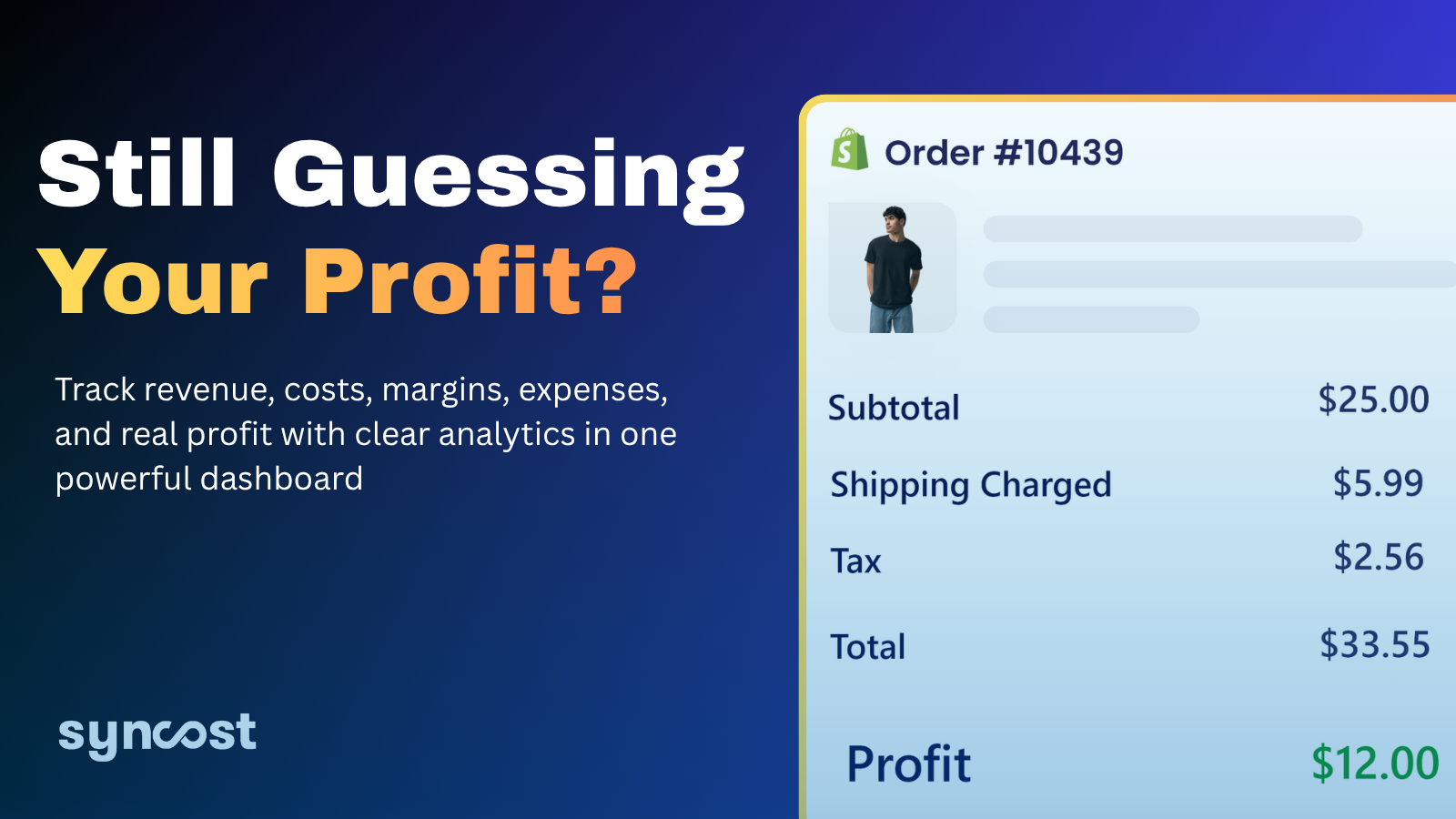
The Print-on-Demand Profit Bleed: Why Spreadsheets Are Killing Your Store
Print-on-Demand suppliers change their base costs and shipping rates constantly. If you are tracking your margins manually in a spreadsheet, you are already losing money.
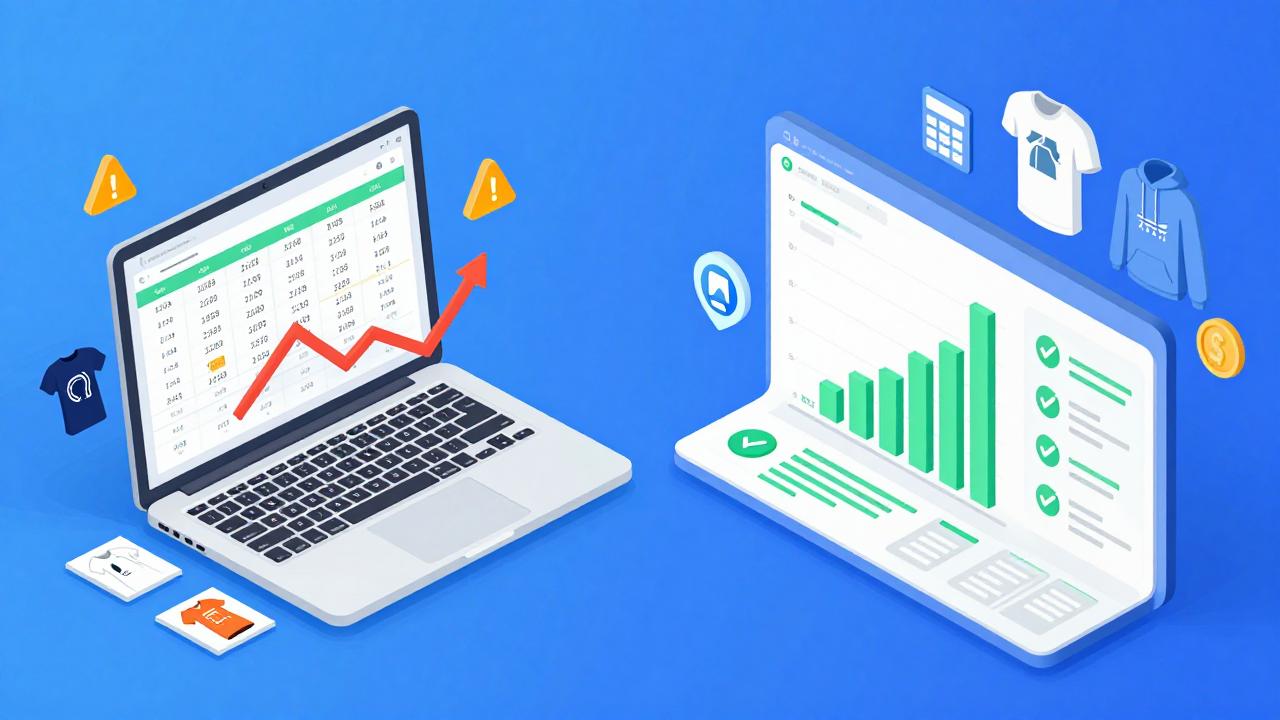
Let's get one thing straight right now: the idea that Print-on-Demand (POD) is a hands-off, "set it and forget it" business model is a massive lie.
Yes, you avoid holding physical inventory. But you trade inventory risk for a completely different nightmare: variable cost chaos.
If you are running a serious Shopify store connected to suppliers like Printify or Printful, your costs are never static. If you are relying on manual spreadsheets to track your profitability, your business is bleeding cash.
Here is exactly why manual cost tracking is destroying your margins and what you need to do to fix it today.
The Hidden Nightmare of Variable Costs
In traditional e-commerce, you buy 1,000 units of a product at a fixed price. You know your exact Cost of Goods Sold (COGS).
In POD, your COGS changes constantly without warning.
-
Supplier Price Hikes: Your primary print provider quietly raises the base cost of your best-selling hoodie by $1.50.
-
Routing to Backup Facilities: Your main printer runs out of stock, so the order is automatically routed to a different facility that charges $2.00 more for printing and $1.00 more for shipping.
-
Carrier Shipping Updates: Postal rates fluctuate based on the destination zone and peak season surcharges.
Every single time one of these variables changes, your profit margin shrinks.
The Spreadsheet Death Trap
Most merchants try to solve this by downloading CSVs and updating a master profit spreadsheet once a week. This is a fatal mistake for two reasons:
- You are always reacting too late. By the time you update your spreadsheet on Friday, you have already spent five days running Facebook ads to a product that was secretly selling at a net loss because the fulfillment cost went up on Monday.
- Human error is inevitable. Manually matching hundreds of Shopify order IDs to supplier fulfillment costs and Facebook ad spend is a guaranteed way to make data entry mistakes.
A desync between what you charge on your storefront and what you actually pay your supplier will silently kill your business.
Automate the Math, Protect the Margin
You cannot scale a business if you spend your weekends playing accountant with broken spreadsheets.
To actually make money in POD, you need real-time data synchronization. You need a system that automatically pulls the exact, up-to-the-minute fulfillment and shipping costs for every single order and matches it against your revenue.
By using an automated profit-tracking app like Syncost, you eliminate the spreadsheet death trap. Syncost dynamically syncs your true costs the second an order is fulfilled. You see your exact net profit, in real-time, right on your dashboard.
Stop guessing what your margins are. Automate your cost tracking and start scaling with actual confidence.